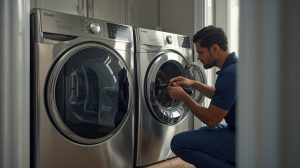
A washing machine that won’t drain can quickly turn laundry day into a frustrating experience. You open the lid expecting clean clothes, but instead you find them sitting in a pool of dirty water. When your washer fails to drain properly, it can leave clothes soaking wet, create unpleasant odors, and even cause water damage if not addressed quickly. Many homeowners rely on trusted local professionals like Chris Appliance Company to diagnose and fix drainage problems before they become bigger issues.
Drainage problems rarely fix themselves. In most cases, the issue gradually worsens over time. Acting quickly can prevent further damage to your appliance and reduce repair costs. If your washer repeatedly fails to drain, scheduling washer repair in Arlington can help restore normal performance safely and efficiently.
Understanding How Your Washing Machine Drains
To understand why your washing machine isn’t draining, it helps to know how the draining process works. After the wash cycle finishes, the machine activates a drain pump that pushes water out through a drain hose. The water flows through the hose into your home’s plumbing system.
Several components must work together properly for this process to succeed. If the pump is blocked, the hose is clogged, or an electrical component fails, water cannot exit the machine. When drainage stops, the washer cannot move to the spin cycle, leaving clothes wet and heavy.
When problems persist, professional washer repair in Arlington ensures accurate diagnosis and safe repair.
1. Clogged Drain Hose
One of the most common reasons a washing machine won’t drain is a clogged drain hose. The hose carries water from the washer to the household drain. Over time, lint, detergent residue, small fabric fibers, and debris can build up inside the hose.
If the hose becomes partially blocked, water drains slowly. If it becomes fully clogged, water may not drain at all. You might notice water remaining in the drum at the end of the cycle or hear the pump running without water exiting.
Sometimes the hose can also become kinked or bent behind the washer, restricting water flow. Straightening the hose may solve minor issues. However, if the blockage is deeper inside, professional help from Chris Appliance Company may be necessary to clear the obstruction safely.
2. Faulty Drain Pump
The drain pump is responsible for pushing water out of the washer. If the pump becomes clogged with debris or fails mechanically, the washer will not drain properly.
Small items such as coins, hairpins, or buttons can become lodged inside the pump housing. This prevents the impeller from spinning correctly and blocks water flow. In some cases, the pump motor itself burns out due to wear and tear.
Signs of a faulty drain pump include:
- Humming noise without draining
- Grinding sounds
- Washer stopping before the spin cycle
- Water remaining in the drum
If your washer makes unusual sounds during the drain cycle, washer repair in Arlington can determine whether the pump needs cleaning or replacement.
3. Clogged or Blocked Pump Filter
Many modern washing machines have a pump filter designed to catch debris before it reaches the drain pump. This filter prevents damage but can become clogged over time.
When the filter fills with lint, coins, or small objects, water cannot flow freely. The washer may struggle to drain or fail completely.
Cleaning the pump filter is sometimes a simple solution. However, accessing it can vary by model. If you are unsure how to locate or remove the filter safely, experienced technicians at Chris Appliance Company can inspect and clean it properly.
Regular maintenance helps prevent filter clogs and keeps the drainage system functioning smoothly.
4. Lid Switch or Door Lock Malfunction
Washing machines are designed with safety features that prevent spinning or draining if the lid or door is not securely closed. If the lid switch (for top-load washers) or door lock (for front-load washers) fails, the washer may stop before draining.
Even if the lid appears closed, a defective switch may not signal the control board to proceed with the drain cycle. In this case, the washer may fill with water but never move forward.
Signs of a lid switch issue include:
- Washer won’t spin
- Washer won’t drain
- Clicking sounds without action
- Error codes on digital displays
Replacing a faulty lid switch requires proper tools and expertise. Professional washer repair in Arlington ensures the safety system is restored correctly.
5. Clogged Household Drain Line
Sometimes the problem is not inside the washing machine itself. A clogged household drain line can prevent water from exiting properly.
If the main drain pipe becomes blocked with soap residue, hair, grease, or debris, water may back up into the washer. You might notice slow draining sinks or standing water in other fixtures as well.
If multiple drains in your home are slow, the issue may involve plumbing rather than the washer. However, determining the source of the blockage requires careful inspection. Chris Appliance Company can evaluate whether the issue lies within the appliance or your home’s plumbing system.
Other Possible Causes
Although the five issues above are the most common, additional factors can contribute to drainage problems.
Control Board Failure
The control board manages the washer’s functions. If it fails, the drain cycle may not activate.
Broken Drive Belt
Some washers use a belt to power the pump. If the belt snaps, the pump cannot function properly.
Excess Detergent Use
Using too much detergent can create excess suds, which interfere with draining and spinning.
When problems extend beyond basic troubleshooting, washer repair in Arlington provides professional diagnosis and reliable solutions.
Warning Signs You Should Not Ignore
Drainage issues often begin with small warning signs:
- Water pooling at the bottom of the drum
- Clothes remaining soaked after the cycle
- Unusual noises during draining
- Error codes on the display
- Musty odors from stagnant water
Ignoring these signs can lead to mold growth, internal corrosion, and more expensive repairs. Early service from Chris Appliance Company helps prevent larger problems.
Why Prompt Repair Matters
A washer that won’t drain does more than interrupt laundry day. Standing water can:
- Cause unpleasant odors
- Encourage mold growth
- Damage internal components
- Increase energy usage
- Lead to electrical issues
Addressing the problem quickly ensures your appliance operates safely and efficiently.
How Regular Maintenance Prevents Drainage Problems
Routine care can reduce the risk of drainage issues. Simple steps include:
- Checking pockets before washing
- Cleaning the pump filter periodically
- Using the correct amount of detergent
- Inspecting hoses for kinks or blockages
- Scheduling periodic inspections
Preventive maintenance extends the lifespan of your washer and reduces the need for emergency washer repair in Arlington.
Why Professional Service Is Recommended
While some minor clogs may be manageable, many drainage issues require technical knowledge. Washing machines contain electrical systems, sensors, and moving parts that must be handled carefully.
Attempting DIY repairs without proper tools may result in further damage or safety risks. Professional technicians understand the internal layout of various washer models and can quickly identify the exact cause.
Chris Appliance Company provides reliable service tailored to residential customers, landlords, and property managers throughout the area.
Repair vs. Replacement
Many homeowners worry that a draining issue means they need a new washer. In reality, most drainage problems involve replaceable components such as pumps or switches.
If your washing machine is less than 10–12 years old, repair is often the most cost-effective solution. Professional washer repair in Arlington can determine whether fixing the appliance is more practical than replacing it.
When You Should Call a Technician
You should consider professional help if:
- Water remains after every cycle
- The washer won’t spin or drain
- You hear grinding or humming sounds
- You see water leaking
- Error codes continue appearing
Prompt service prevents further damage and ensures safe operation.
Conclusion
A washing machine that won’t drain is a common household issue, but it should never be ignored. The five most common causes include a clogged drain hose, faulty drain pump, blocked pump filter, malfunctioning lid switch, or a clogged household drain line.
Understanding these potential problems helps you act quickly and prevent larger repairs. Regular maintenance, proper detergent use, and timely inspection keep your washer operating efficiently.
If drainage issues persist, professional washer repair in Arlington ensures accurate diagnosis and dependable repair. Homeowners trust Chris Appliance Company for reliable appliance service that restores convenience and peace of mind. Acting early protects your appliance, saves money, and keeps your laundry routine running smoothly.
FAQs
- Why is my washing machine not draining but spinning?
It may have a partially clogged hose or filter restricting water flow. - Can I use my washer if it won’t drain?
It is not recommended because standing water can cause damage. - How often should I clean the pump filter?
Every few months, depending on usage. - Is washer repair expensive?
Most drainage issues are affordable when addressed early. - Can too much detergent cause drainage problems?
Yes, excess suds can interfere with proper draining. - How long do washing machines last?
Typically 10–15 years with proper maintenance. - Should I repair or replace my washer?
If it is under 10 years old, repair is usually recommended. - When should I call a professional?
If the problem continues after basic checks, schedule service promptly.